

Bitter greens are the dark, leafy, wonderfully wild-tasting plants that sit right at the intersection of food and medicine, including rocket, kale, dandelion leaves, endive, radicchio, mustard greens, Brussels sprouts, watercress, and sorrel. If you want the full case for why your body is actually wired to want them, that’s covered in Bringing Bitter Back to Your Plate for Better Health. This post is the practical companion: how to eat bitter greens, tips for getting more of them onto your plate, and how to prepare each one so they turn from intimidating into delicious.
In the second half of the post, you will find a handy list of the most common bitter greens ranked from most bitter to least bitter, their flavour profiles and tips for enjoying them in your meals.
Practical ways to get more bitter greens into your meals
1. Start mild, then layer up
If you are bitter-shy, begin with the gentler greens such as:
- Rocket and rocket mixes
- Young kale leaves
- Watercress
- Baby mustard greens
Pair them with sweetness (roasted pumpkin, apple, pear), fat (olive oil, avocado, cheese), acidity (lemon, vinegar) and a little salt. This will help the taste of your bitter greens feel balanced rather than aggressive.
Here’s a simple salad to start with:
- A big handful of mixed leaves, a quarter of which are bitter greens (once you are used to them, move to half)
- Roasted pumpkin or beetroot
- Toasted nuts or seeds
- Crumbly feta or goat cheese
- A lemon and olive oil dressing with a touch of honey or mustard
2. Use heat to mellow
Heat tames bitterness and tenderises tougher greens:
- Sauté chopped kale or mustard greens in olive oil with onion and garlic.
- Add a splash of stock or water, pop a lid on, and steam until just tender, then finish with lemon juice, vinegar and olive oil or butter, or a spoonful of your favourite mustard or other condiment.
Longer, slower cooking, the kind found in traditional braised greens, minestrone, or caldo verde, often softens the bitterness even further (so you do trade away a little of the bitter benefit) while releasing all that mineral-rich green goodness into the broth.
3. Blend them into sauces and pestos
Bitter greens make beautiful, punchy pestos and sauces:
- Combine mixed bitter greens (rocket, dandelion, watercress, even a few wild foraged leaves if you’re confident in your identification) with nuts, garlic, olive oil, and parmesan.
- Blitz into a pesto and use it on pasta, grain bowls, or eggs, or spread it on toast. Check out my Wild Green Pesto recipe and increase the amount of bitter greens in the mix.
You can also fold a handful of kale or rocket into any green sauce, whether that’s chimichurri, salsa verde, or herbed yoghurt, to sneak in extra bitter notes.
4. Slip them into soups, stews and curries
Almost any bubbling pot welcomes a handful of chopped greens:
- Stir kale or wild greens into the pot in the last five to ten minutes of cooking.
- For a more herbal pot, pair bitter greens with other herbs and spices like garlic, onion and turmeric.
5. Try the “bitter before” ritual
There is a reason so many traditional food cultures have a bitter aperitivo hour or a pre-meal bitter. You can recreate a gentler version at home:
- A small, rocket-heavy side salad with a simple vinaigrette, eaten ten to fifteen minutes before your main meal.
- Or a splash of digestive bitters or a shrub (recipe here) in sparkling water as a pre-dinner drink.
Easing your palate in
If you were the kind of kid who was a fussy eater and wary of new foods (a trait sometimes called food neophobia), learning to appreciate bitter flavours will probably take a little longer, and that’s completely normal.
The best approach is to get to know the flavours and introduce them slowly and steadily. Mix a few bitter leaves into your salad, stir-fry, soup, frittata, risotto or nourish bowl, wherever you’d normally add greens.
Give your palate time to learn to love bitter flavours. Small amounts, consistently, will help you build the habit of enjoying a few bitter greens daily. Your palate will adjust, and you’ll soon find yourself wanting more.
Some easy entry points:
- Salads: blend with milder greens and a zesty dressing.
- Soups: garnish sweet vegetable soups (pumpkin, parsnip, sweet potato) with a handful of fresh bitter greens.
- Sauté: in a little extra virgin olive oil, garlic and a squeeze of lemon juice. A sprinkle of parmesan or toasted nuts or seeds makes for a tasty side.
- Stir-fry: add bitter greens towards the end of cooking.
- Stews, casseroles and curries: you’ll barely notice the bitter greens when they’re cooked in with sweeter vegetables like onion, leek and carrot.
A list of the most common bitter greens, ranked from most bitter to least bitter

Not all bitter greens taste alike. Understanding their individual characters is the difference between building a meal that’s layered and interesting, and one that’s just punishing. Think of these greens as instruments in an ensemble, some bold and brassy, others quietly complex. The art is in the balance.
Dandelion greens
Page from La Plante et ses applications ornementales sous la direction de M. Eugène Grasset (English: ‘The Plant and Its Ornamental Applications’), an 1896 book by Eugène Grasset
Flavour profile: boldly bitter, a strong peppery, astringent, earthy bitterness when raw.
Best mixed with milder leaves in a salad, pesto, sautés, risottos, soups, and green smoothies. They pair well with ingredients like garlic, lemon, and parmesan. To sauté: heat olive oil, add minced garlic, then dandelion greens. Cook until wilted, then season with salt, pepper and a little lemon juice.
Pairs well with citrus, sweet fruits, walnuts, almonds, sharp cheeses, eggs.
Radicchio
Flavour profile: distinctly bitter and slightly peppery, with a crisp, crunchy texture.
Best enjoyed raw in salads, where its bitterness stands out against sweet or acidic dressings. It also holds up well braised or sautéed, softening into a rich, slightly sweet flavour. Torn into risottos or pasta near the end of cooking, radicchio adds a bold bitter contrast that balances creamy or rich sauces.
Pairs well with citrus, balsamic, honey, blue cheese, parmesan, nuts, and cured meats, and holds its structure well whether eaten raw, grilled, or slow-cooked.
Kale
Flavour profile: earthy and bitter with a robust texture.
Massage lightly to enjoy raw in salads and nourish bowls. Perfect for sautés with extra virgin olive oil, garlic, and lemon juice (my favourite). It works well in soups and stews, as it does not break down (unless it is slow-cooked). Kale chips are a favourite in our house; massage the leaves with a little olive oil and then bake or dehydrate with a sprinkle of sea salt.
Pairs well with lemon, nuts, cheese and whole grains, and holds up well in slow-cooked hearty meals.
Brussels sprouts
Flavour profile: bitter and nutty, with a dense, slightly crunchy texture that turns tender when cooked.
They shine shredded raw into slaws and salads, sautéed with bacon or garlic, or halved and pan-seared for a crisp, golden finish. While boiling or steaming tends to intensify their sulphurous bitterness, roasting until crispy and caramelised on the outside mellows the bitterness and brings out a rich, nutty sweetness.
Pairs well with maple syrup, balsamic vinegar, nuts, seeds, and parmesan cheese.
Endive
Flavour profile: moderately bitter and crisp, with a subtly sweet, delicate crunch.
Best raw in salads, its sturdy, boat-shaped leaves make natural vessels for dips, spreads, or bite-sized appetisers. Braising or grilling mellows its bitterness into a rich, slightly caramelised sweetness, making it a side for richer mains. It also holds up well roasted or sautéed.
Pairs well with citrus, blue cheese, walnuts, honey, and meats (especially pork).
Sorrel
Flavour profile: tangy, lemony and bitter.
A handful in salads and cooked into soups, sauces and frittatas is the best way to enjoy sorrel. When fresh, use a smaller amount as the taste will dominate. Use larger amounts in cooking; it will wilt quickly like spinach, lending its vibrant colour with added tang. It works really well in pesto; use it as only half of the greens and pair it with milder ones such as basil.
Pairs best with oily fish such as mackerel and salmon, eggs, potatoes and salads.
Rocket (arugula)
Flavour profile: peppery and pungent, with a subtle bitterness and a hint of nutty sweetness.
This peppery leaf is perfect for salads, spicy pesto, sandwich greens, and piling on top of pizza or other baked dishes after they are cooked. A perfect refreshing leaf to counterbalance the richness of baked dishes.
Pairs well with citrus fruits, tomatoes, goat cheese, nuts, and balsamic vinaigrette.
Mustard greens
Flavour profile: sharp, peppery, and horseradish-like, with a bite that’s spicier and less bitter than kale.
Best sautéed, stir-fried, or braised, as heat mellows their pungency while keeping a bit of texture. Stirred in at the end of cooking into soups, stews, and curries. Adds a lively kick when stirred into nourish bowls, grain bowls, or fried rice. Mustard greens pair especially well with Asian flavours: garlic, ginger, soy sauce, sesame oil, and chilli.
Pairs well with garlic, ginger, sesame, beans, grains, and spicy or umami-rich condiments.
Watercress
Flavour profile: peppery and sharp with a delicate, tender texture.
Enjoy raw in salads, sandwiches, or blended into soups and smoothies, as its delicate leaves wilt quickly with heat. Perfect stirred into soups just before serving, or lightly wilted into stir-fries and pasta at the last minute to preserve its peppery bite. It’s also a natural finishing green, scattered over roasted vegetables, fish, or grain bowls for a fresh, spicy contrast.
Pairs well with citrus, eggs, soft cheeses, and nuts, and holds its own alongside rich, fatty foods like salmon or steak.
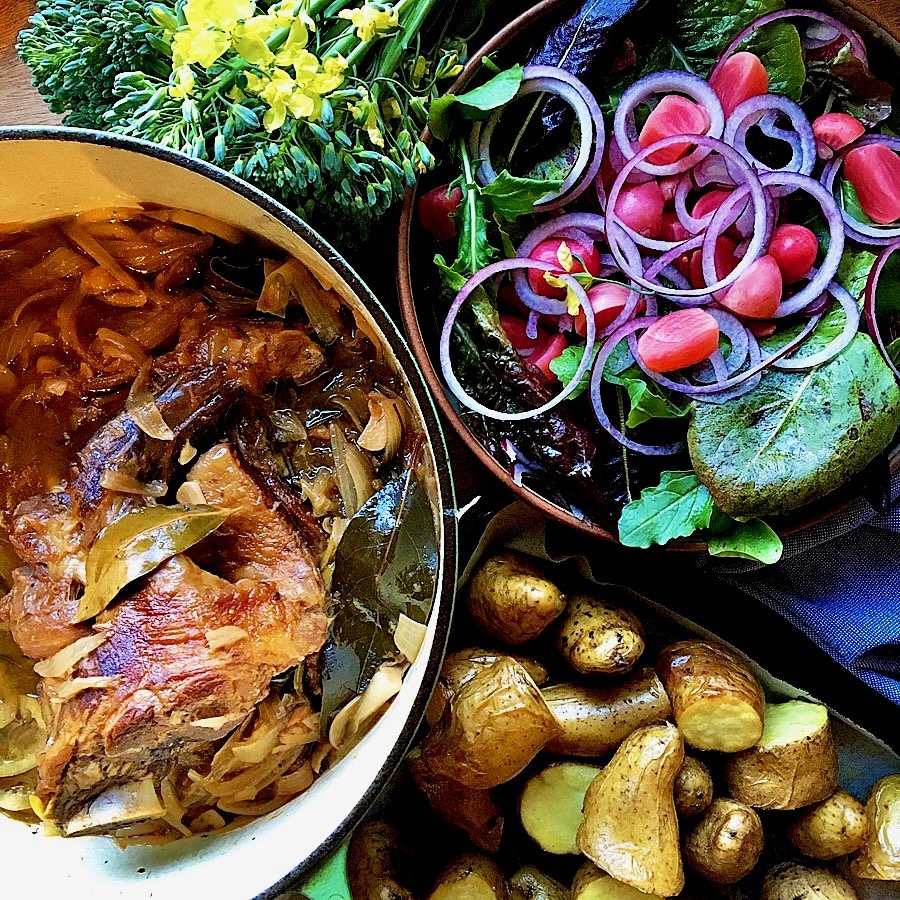
The final word: keep it simple
You don’t need to overhaul a single meal to eat more bitter greens. Just fold a handful into what you’re already cooking, lean on salt, fat, acid and sweetness to keep the bitterness in balance, and let your palate catch up over time.
For the full picture of what these greens are doing for your digestion, gut, metabolism and immunity while you eat them, head over to Bringing Bitter Back to Your Plate for Better Health. You can also make this Pantry Citrus & Spice Digestive Bitters to rev up your digestive system before meals.
Are you a fan of bitter greens? Share your experiences in the comments, especially your favourite ways of adding them to your meals. I am always up for some bitter green inspo!
Leave a Reply